Attic Insulation Guide: How Proper Insulation Improves Home Comfort and Energy Efficiency

Attic Insulation

On a hot summer day the upper parts of a home often feel noticeably warmer than the rest of the house. In the winter the opposite may occur as warm air escapes upward and leaves rooms feeling colder than expected. Many homeowners assume their heating or cooling system is the problem, but the real issue often lies above the ceiling. The attic plays a major role in regulating indoor temperatures.

When this space lacks proper insulation, heat can easily move in and out of the home. Attic Insulation Houston helps create a protective barrier that controls temperature changes, reduces energy waste, and improves comfort throughout the entire house.

Understanding the Purpose of Attic Insulation

Attic insulation is designed to slow the movement of heat between the attic and the living spaces below. Heat naturally travels from warmer areas to cooler areas, which means that in winter warm indoor air tends to rise into the attic while in summer the attic can radiate heat downward into the home.

Without adequate insulation this heat transfer can occur quickly. Rooms may become uncomfortable and heating or cooling systems must work harder to maintain stable indoor temperatures.

Attic insulation acts as a thermal barrier that helps regulate this process. By reducing heat flow, it keeps warm air inside during colder months and blocks excessive heat from entering the living space during warmer seasons.

This balance helps maintain more consistent indoor temperatures. The result is a home that feels more comfortable while using less energy to maintain that comfort.

Proper attic insulation also supports the overall efficiency of the building structure by preventing energy loss through the roof area.

How Attic Insulation Improves Energy Efficiency

Energy efficiency is one of the most important benefits of proper attic insulation. When heat escapes through the roof during winter or enters through the attic during summer, heating and cooling systems must operate longer to compensate.

This additional workload increases energy consumption and places stress on HVAC equipment. Over time the system may experience more wear while utility costs rise.

Attic insulation helps prevent this problem by reducing heat transfer. In winter the insulation keeps heated air inside the home where it belongs. In summer it limits the amount of heat that radiates from the attic into living spaces.

Because indoor temperatures remain more stable, heating and cooling systems can operate more efficiently. They do not need to run constantly to maintain comfort.

Improved efficiency can lead to noticeable energy savings over time. Many homeowners discover that upgrading attic insulation is one of the most effective ways to reduce energy costs while improving home comfort.

Types of Attic Insulation Materials

Several types of insulation materials are commonly used in attic spaces. Each material has unique properties that make it suitable for certain applications.

Fiberglass insulation is one of the most widely used options. It is made from fine glass fibers that trap air and slow the movement of heat. Fiberglass insulation is often installed as batts or as loose fill material.

Blown insulation is another common choice for attics. This material consists of small particles that are applied using specialized equipment. The insulation spreads evenly across the attic floor and fills small gaps that might otherwise remain exposed.

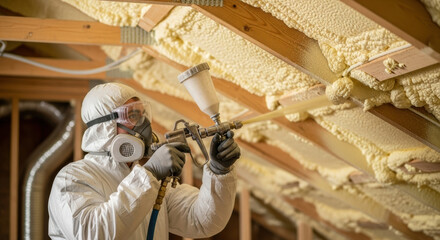
Spray foam insulation is a more advanced option that expands after application. As it expands it seals cracks and openings while also providing thermal insulation. This type of insulation can be especially effective for reducing air leaks.

Cellulose insulation is made from recycled paper materials that are treated for fire resistance. It is often used as loose fill insulation in attics because it provides good coverage and thermal performance.

Choosing the right insulation material depends on factors such as attic design, existing insulation, and the desired level of energy efficiency.

Areas of the Attic That Require Insulation

Attic insulation is typically installed across the attic floor, which separates the attic from the living spaces below. This layer of insulation prevents heat from moving between these areas.

In some cases insulation may also be installed along the roofline, especially in homes with finished attic spaces. This approach helps maintain comfortable temperatures in rooms located within the attic itself.

Proper insulation must also address areas around vents, wiring, and pipes. These openings can allow heat to escape if they are not sealed or insulated properly.

Attic hatches and access doors are another common source of energy loss. Insulating these openings helps maintain the effectiveness of the overall insulation system.

Careful installation ensures that insulation covers all vulnerable areas while allowing ventilation pathways to remain clear.

Addressing these details allows attic insulation to perform effectively and maintain consistent indoor temperatures.

The Role of Attic Ventilation with Insulation

While insulation is essential for controlling heat transfer, proper ventilation is also important for maintaining a healthy attic environment. Ventilation allows fresh air to circulate through the attic and helps remove excess heat and moisture.

Without adequate ventilation, heat can build up in the attic even if insulation is present. This trapped heat may eventually affect the living spaces below.

Ventilation systems typically include intake vents near the roof edges and exhaust vents near the roof peak. This design allows cooler air to enter the attic while warm air escapes through the upper vents.

The combination of ventilation and insulation helps regulate attic temperatures more effectively. Insulation slows heat transfer while ventilation removes accumulated heat.

Moisture control is another benefit of attic ventilation. Excess humidity can lead to mold growth or damage to structural materials if it is not properly managed.

Together, insulation and ventilation create a balanced system that protects both comfort and the structural integrity of the home.

Signs That an Attic Needs More Insulation

Some homes may already have insulation in the attic but still experience energy loss if the insulation level is insufficient or deteriorated. Several signs may indicate that an attic requires additional insulation.

One common sign is uneven temperatures throughout the home. If some rooms feel significantly warmer or colder than others, inadequate attic insulation may be contributing to the problem.

High energy bills can also indicate insulation issues. When heating and cooling systems must work harder to maintain comfort, energy usage increases.

Another sign is excessive attic heat during warm weather. If the attic feels extremely hot, it may be allowing that heat to transfer into the home.

Older insulation may also compress or settle over time, reducing its effectiveness. Inspecting the attic periodically helps identify areas where insulation may need improvement.

Addressing these issues with proper insulation upgrades can significantly improve both comfort and energy efficiency.

Long Term Benefits of Attic Insulation

Attic insulation provides several long term benefits that extend beyond immediate comfort improvements. One of the most significant advantages is the reduction of energy consumption.

By maintaining stable indoor temperatures, insulation reduces the workload on heating and cooling systems. This can extend the lifespan of HVAC equipment and reduce maintenance costs.

Improved insulation also contributes to better indoor comfort throughout the year. Homes feel cooler in summer and warmer in winter without constant adjustments to temperature settings.

Noise reduction is another benefit. Insulation materials can absorb sound and reduce the transmission of outdoor noise into the home.

Attic insulation can also help protect the structural components of the roof by reducing extreme temperature fluctuations. These fluctuations can cause materials to expand and contract over time.

When properly installed and maintained, attic insulation continues to provide value for many years while improving the overall efficiency of the home.

Conclusion: Why Attic Insulation Is Essential for Home Performance

Attic insulation plays a critical role in maintaining a comfortable and energy efficient home. By creating a barrier that slows heat transfer, it helps regulate indoor temperatures and reduce energy loss.

Homes with proper attic insulation experience improved comfort, lower energy consumption, and more balanced temperatures throughout the year. The insulation works quietly behind the scenes to protect living spaces from extreme weather conditions.

Combined with proper ventilation and careful installation, attic insulation becomes one of the most effective upgrades homeowners can make. It enhances comfort, protects the structure of the home, and supports long term energy efficiency.

Investing in quality attic insulation allows homeowners to create a more comfortable and efficient living environment while protecting their homes for the future.

From Debris Removal to Sanitization: What to Expect During a Comprehensive Disaster Cleanup Process

When disaster strikes—whether from water intrusion, fire damage, storms, or other unexpected events—the aftermath can feel overwhelming. Structural damage, scattered debris, lingering odors, and hidden moisture all contribute to a complex recovery process. For property owners, understanding what happens during a comprehensive disaster cleanup process can bring clarity during a stressful time. Professional Utah Disaster Cleanup is not just about removing visible damage. It is a structured, multi-phase operation designed to restore safety, stability, and long-term property value.

The priority in any disaster cleanup scenario is safety. Before restoration begins, professionals assess structural stability, electrical hazards, contamination risks, and air quality concerns. Damaged buildings may contain weakened floors, exposed wiring, sharp debris, or compromised support systems. Entering such environments without proper evaluation can pose serious risks. Cleanup teams use protective equipment and follow established safety protocols to secure the property before proceeding. This step ensures that the restoration process begins in a controlled and secure environment.

disaster cleanup

Once safety is established, the next phase involves a detailed damage assessment. Disaster events rarely affect only what is visible on the surface. Water can seep into wall cavities, smoke can infiltrate ventilation systems, and storm debris can compromise roofing structures. Restoration professionals use specialized tools such as moisture meters, thermal imaging devices, and air quality monitors to identify the full extent of the damage. A thorough assessment allows for the development of a tailored action plan that addresses both immediate concerns and hidden vulnerabilities.

Debris removal is typically the first active stage of the cleanup process. After storms or structural collapse, properties may be littered with broken materials, fallen branches, damaged furnishings, and construction fragments. In fire scenarios, charred remnants and soot-covered debris must be carefully cleared. Removing debris serves multiple purposes: it eliminates safety hazards, prevents further contamination, and creates access for deeper restoration work. Proper sorting and disposal procedures are followed to ensure that materials are handled responsibly and in compliance with regulations.

Water extraction and moisture control often follow debris removal, particularly in cases involving flooding or firefighting efforts. Standing water is removed using industrial-grade pumps and extraction units. However, the absence of visible water does not mean the property is dry. Moisture frequently remains trapped beneath flooring, behind walls, and within insulation. Structural drying techniques—including high-capacity air movers and dehumidifiers—are implemented to reduce humidity levels and restore materials to safe moisture content. This stage is critical in preventing mold growth and long-term structural deterioration.

During this process, professionals focus on three primary restoration objectives:

  1. Stabilizing the structure to prevent further damage or collapse.
  2. Eliminating moisture and contaminants that could compromise health and safety.
  3. Preserving salvageable materials to reduce replacement costs and maintain property value.

These objectives guide every decision made during the cleanup operation.

Smoke and soot remediation is a specialized component of fire-related disaster cleanup. Smoke particles are microscopic and can travel far beyond the area directly affected by flames. They settle into porous materials such as drywall, fabric, and carpeting. Without proper cleaning, soot residues may cause staining, corrosion, and persistent odors. Restoration teams use specialized cleaning agents and equipment to remove residues from surfaces and contents. Air filtration systems may also be deployed to capture airborne particles and improve indoor air quality.

Odor removal is another crucial aspect of comprehensive cleanup. Disasters often leave behind lingering smells caused by smoke, mold, or contaminated water. Simply masking these odors with fragrances is ineffective. Professional restoration focuses on identifying and eliminating the source. Techniques such as thermal fogging, ozone treatment, or hydroxyl generation may be used to neutralize odor-causing particles at a molecular level. The goal is to restore a clean, neutral indoor environment rather than temporarily conceal unpleasant smells.

Sanitization and disinfection play an essential role in protecting occupant health. Floodwaters, for example, may contain bacteria, chemicals, or other contaminants. Even clean water incidents can become hazardous if materials remain damp for extended periods. Restoration professionals apply antimicrobial treatments to affected surfaces to prevent microbial growth. In addition, high-touch areas are disinfected to ensure the space is safe for reoccupation. This step is particularly important in commercial properties or multi-unit buildings where public health considerations are heightened.

Content cleaning and restoration are often integrated into the disaster cleanup process. Personal belongings, office equipment, furniture, and documents may be salvageable if treated promptly. Specialized cleaning techniques are used to restore items affected by water, smoke, or debris. In some cases, contents are temporarily relocated to a secure facility for cleaning and storage while structural restoration continues. Preserving these items reduces financial loss and helps maintain continuity for businesses and households.

Another key component of comprehensive disaster cleanup is continuous monitoring and documentation. Restoration professionals track moisture levels, humidity readings, and progress milestones throughout the project. Detailed records provide transparency and may support insurance claims. Documentation demonstrates that proper procedures were followed and that the property was restored according to professional standards. This accountability protects property owners from future disputes or complications.

The process of reconstruction may follow once cleaning and drying are complete. Reconstruction involves repairing or replacing structural elements such as drywall, flooring, insulation, and roofing components. In some cases, minor cosmetic repairs are sufficient. In more severe scenarios, partial rebuilding may be necessary. Coordinating reconstruction as part of the overall cleanup plan streamlines the recovery process and minimizes delays.

Throughout the disaster cleanup process, communication remains essential. Property owners are often dealing with emotional stress and financial uncertainty. Clear explanations of each phase—from debris removal to sanitization—help set realistic expectations. Restoration professionals provide timelines, progress updates, and guidance on reoccupancy. Transparent communication fosters trust and ensures that owners understand the steps being taken to protect their investment.

A comprehensive disaster cleanup process typically includes the following phases:

  1. Emergency response and safety stabilization.
  2. Damage assessment and planning.
  3. Debris removal and site clearing.
  4. Water extraction and structural drying.
  5. Cleaning, sanitization, and odor neutralization.
  6. Restoration and reconstruction.

Each phase builds upon the previous one, creating a structured pathway from chaos to recovery.

Speed and precision are equally important in disaster cleanup. Acting quickly reduces the likelihood of secondary damage such as mold growth or material warping. At the same time, thoroughness ensures that hidden issues are not overlooked. Balancing these priorities requires experience, specialized equipment, and a methodical approach. Attempting to handle extensive damage without professional support may lead to incomplete restoration and recurring problems.

Comprehensive disaster cleanup also protects long-term property value. Properties that have experienced significant damage may face scrutiny during future inspections or sales. Demonstrating that professional restoration procedures were followed can reassure potential buyers or tenants. Proper cleanup prevents hidden deterioration that might otherwise surface months or years later.

In commercial settings, minimizing downtime is a top priority. Restoration teams may implement containment strategies to isolate affected areas while allowing operations to continue elsewhere. Coordinating cleanup around business hours or in phases helps reduce disruption. These strategic measures preserve revenue streams and maintain client confidence.

Ultimately, the disaster cleanup process is about more than removing damage. It is about restoring safety, functionality, and peace of mind. From initial debris removal to final sanitization, each step is designed to address both visible destruction and hidden risks. Comprehensive restoration protects structural integrity, supports occupant health, and safeguards financial investments.

In conclusion, understanding what to expect during a comprehensive disaster cleanup process can help property owners navigate recovery with greater confidence. The journey from debris removal to sanitization involves careful planning, specialized techniques, and ongoing monitoring. By addressing structural stabilization, moisture control, contamination removal, and reconstruction in a systematic manner, professional disaster cleanup transforms damaged properties into safe and stable environments once again. Investing in thorough restoration ensures that recovery is not only swift but also durable, protecting both the property and the people who depend on it.