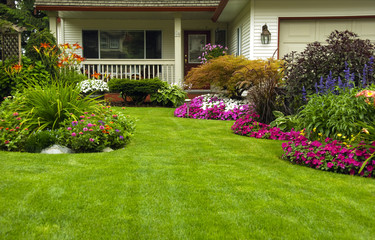
Keeping your lawn, shrubs, and flowers healthy is easy with regular maintenance. A structured month-by-month lawn care schedule focuses on tasks like mowing, watering, and inspecting for pests.
While a biweekly schedule may seem attractive to some homeowners, it can be detrimental to the health of their lawns. Learn about the reasons weekly mowing is the best choice and how it helps save you money. Contact Oahu Landscaping for more details.
Keeping Your Grass Healthy
Regular lawn and landscape maintenance keeps your outdoor spaces healthy year-round, boosts curb appeal, enhances property value, and saves you time and effort. While many homeowners think of lawn care as mowing and trimming shrubs, professional weekly landscape maintenance is more than that. It’s a scientific, condition-based approach that includes fertilizing, controlling weeds and pests like grubs, aerating compacted soil, overseeding, testing the soil, weed control, applying root stimulants, and similar practices.
The first step in a healthy lawn is proper watering. It’s not just about how much you water, but when and how you water. Grass needs consistent moisture at the proper depth to promote deep root growth and avoid excessive watering that leads to shallow, wilted grass. We use smart irrigation setups that monitor soil conditions to ensure consistent hydration without overdoing it, especially in hotter weather.
Sporadic mowing causes stress to the grass, which is why it’s best to cut only a small portion of the grass height each week. This less-stressful practice helps the turf recover quickly after each cutting, encouraging dense and lush regrowth. It also reduces the amount of debris left behind on the surface, which can help with weed and pest control.
Another crucial step in a healthy lawn is timely dethatching, which removes the layer of dead grass that builds up between the ground and the surface. If this isn’t done on a regular basis, it can choke out the roots of the grass, making it weaker and more vulnerable to pests and diseases. A weekly schedule ensures that the thatch is removed before it becomes too thick to be beneficial.
In addition to reducing the need for weeding, dethatching promotes a more evenly distributed shade throughout the yard and encourages deeper roots in cool season varieties, which helps them compete with weeds for nutrients. It also helps warm season varieties become denser and resist diseases, resulting in a healthier, more resilient lawn. Combined with regularly scheduled mowing, dethatching helps prevent thatch from accumulating and promoting unhealthy, weedy turf. It also reduces the need for aeration, which can be more expensive and time-consuming to perform.
Early Detection of Problems
If you take care of your lawn properly, you can avoid most diseases and pests. Diseases generally start as small discolorations of grass and spread over time, so noticing them early on is important. Regular lawn inspections help you identify problems quickly and act fast to prevent their progression.
Healthy turf in well-prepared soil can tolerate a certain number of insect pests, but high populations can lead to serious damage or even death. For example, white grubs, sod webworms, and chinch bugs can cause widespread damage to a yard and require intensive treatment to restore a pristine appearance. Insects are most common in homes that use their yards for play and gatherings and are best controlled by good landscape maintenance practices, including mowing at the proper height, aerating soil, and fertilizing in the fall and spring.
Likewise, weeds like dandelions, clover, and crabgrass thrive in compacted soil and can be caused by overfertilization and/or environmental stress. Attacking weeds without correcting the underlying issues will only result in more weeds.
A lawn that is not watered correctly can become thin and brittle, allowing grass diseases to develop. Watering deeply and less frequently builds drought tolerance, while short, frequent watering (sips) promotes shallow roots that are more susceptible to fungal infections.
If you suspect that your lawn has a problem, it’s critical to collect and submit a sample for diagnosis as soon as possible. To collect a sample, remove a small clipping from the affected area and place it in a plastic bag. Label the bag with your name, address, phone number, and a description of the problem and your lawn’s cultural management practices. Ensure the sample is not contaminated by other materials and that it remains moist until delivery or pickup.
With proper routine lawn care and regular inspections, your yard can be a beautiful and functional part of your home’s landscaping. If you have any questions or would like to schedule a consultation, please contact us. We look forward to hearing from you!
Keeping Your Yard Looking Great
A landscape is a living thing, and it needs consistent care to thrive. Regular services like mowing, trimming, and watering ensure that your turf is healthy and visually appealing all year round. The regular attention also helps prevent minor problems from becoming expensive, time-consuming headaches.
Weekly garden maintenance includes precise mowing, edging, and targeted weed control that encourages healthy growth and prevents the spread of invasive species. A tailored fertilization schedule ensures that your lawn receives the nutrients it needs at the right time for optimal performance.
Monthly services include aerating the soil, which helps to reduce thatch and promote healthy root growth. Aeration is a critical process for lawns that are subjected to heavy foot traffic, low moisture levels, or both. Monthly watering is another key component of the care routine, and it can help to reduce evaporation and maintain proper soil moisture.
Other monthly tasks might include applying preventative treatments to protect your property from insect infestations or fungus outbreaks. Depending on local conditions, aeration may also be necessary in the fall to help your turf recover from the summer heat. Raking leaves and removing debris from the property is another important chore that can prevent leaf buildup from suffocating your grass.
With the right landscape maintenance team, you can spend more time enjoying your yard and less time working on it. Instead of spending weekends catching up on neglected tasks, you’ll be able to relax and enjoy your outdoor space with family and friends.
Investing in a comprehensive landscape maintenance package takes all of these chores off your hands and frees up your time for more enjoyable activities. A professional service will assess your property and create a strategy with best-practice solutions for every season. They’ll handle everything from the smallest duties to larger projects that will improve your lawn or garden over time.
Hittle Landscaping offers year-round landscape, garden, and lawn maintenance designed not only for curb appeal but to preserve your landscape investment over time. Their team of professionals handles all the details of keeping your yard looking great, which means you can spend more time doing what you love and focusing on your priorities.
Peace of Mind
Whether you opt for weekly or biweekly lawn maintenance, having regular service gives you the peace of mind that your property will look great all year round. It’s one less thing to worry about, and it’s an investment in the value of your home or business.
For residential customers, mowing costs on GreenPal average around $38 for a 1/8 acre yard, $42 for a 1/4 acre yard, $48 for a 1/3 acre yard, and $63 for a 1/2 acre yard. For commercial properties, rates vary by region and size of the space.
Ultimately, how often you need landscape maintenance depends on how your outdoor spaces are used, how fast grass grows, and how busy the yard is. Weekly care fits homes with active yards that add to curb appeal and property value, while monthly service is best for quiet yards or spaces that grow more slowly. A good landscape company will help you find a balance that suits your needs and budget.