On a hot summer day the upper parts of a home often feel noticeably warmer than the rest of the house. In the winter the opposite may occur as warm air escapes upward and leaves rooms feeling colder than expected. Many homeowners assume their heating or cooling system is the problem, but the real issue often lies above the ceiling. The attic plays a major role in regulating indoor temperatures.
When this space lacks proper insulation, heat can easily move in and out of the home. Attic Insulation Houston helps create a protective barrier that controls temperature changes, reduces energy waste, and improves comfort throughout the entire house.
Understanding the Purpose of Attic Insulation
Attic insulation is designed to slow the movement of heat between the attic and the living spaces below. Heat naturally travels from warmer areas to cooler areas, which means that in winter warm indoor air tends to rise into the attic while in summer the attic can radiate heat downward into the home.
Without adequate insulation this heat transfer can occur quickly. Rooms may become uncomfortable and heating or cooling systems must work harder to maintain stable indoor temperatures.
Attic insulation acts as a thermal barrier that helps regulate this process. By reducing heat flow, it keeps warm air inside during colder months and blocks excessive heat from entering the living space during warmer seasons.
This balance helps maintain more consistent indoor temperatures. The result is a home that feels more comfortable while using less energy to maintain that comfort.
Proper attic insulation also supports the overall efficiency of the building structure by preventing energy loss through the roof area.
How Attic Insulation Improves Energy Efficiency
Energy efficiency is one of the most important benefits of proper attic insulation. When heat escapes through the roof during winter or enters through the attic during summer, heating and cooling systems must operate longer to compensate.
This additional workload increases energy consumption and places stress on HVAC equipment. Over time the system may experience more wear while utility costs rise.
Attic insulation helps prevent this problem by reducing heat transfer. In winter the insulation keeps heated air inside the home where it belongs. In summer it limits the amount of heat that radiates from the attic into living spaces.
Because indoor temperatures remain more stable, heating and cooling systems can operate more efficiently. They do not need to run constantly to maintain comfort.
Improved efficiency can lead to noticeable energy savings over time. Many homeowners discover that upgrading attic insulation is one of the most effective ways to reduce energy costs while improving home comfort.
Types of Attic Insulation Materials
Several types of insulation materials are commonly used in attic spaces. Each material has unique properties that make it suitable for certain applications.
Fiberglass insulation is one of the most widely used options. It is made from fine glass fibers that trap air and slow the movement of heat. Fiberglass insulation is often installed as batts or as loose fill material.
Blown insulation is another common choice for attics. This material consists of small particles that are applied using specialized equipment. The insulation spreads evenly across the attic floor and fills small gaps that might otherwise remain exposed.
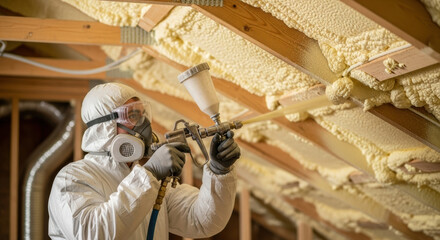
Spray foam insulation is a more advanced option that expands after application. As it expands it seals cracks and openings while also providing thermal insulation. This type of insulation can be especially effective for reducing air leaks.
Cellulose insulation is made from recycled paper materials that are treated for fire resistance. It is often used as loose fill insulation in attics because it provides good coverage and thermal performance.
Choosing the right insulation material depends on factors such as attic design, existing insulation, and the desired level of energy efficiency.
Areas of the Attic That Require Insulation
Attic insulation is typically installed across the attic floor, which separates the attic from the living spaces below. This layer of insulation prevents heat from moving between these areas.
In some cases insulation may also be installed along the roofline, especially in homes with finished attic spaces. This approach helps maintain comfortable temperatures in rooms located within the attic itself.
Proper insulation must also address areas around vents, wiring, and pipes. These openings can allow heat to escape if they are not sealed or insulated properly.
Attic hatches and access doors are another common source of energy loss. Insulating these openings helps maintain the effectiveness of the overall insulation system.
Careful installation ensures that insulation covers all vulnerable areas while allowing ventilation pathways to remain clear.
Addressing these details allows attic insulation to perform effectively and maintain consistent indoor temperatures.
The Role of Attic Ventilation with Insulation
While insulation is essential for controlling heat transfer, proper ventilation is also important for maintaining a healthy attic environment. Ventilation allows fresh air to circulate through the attic and helps remove excess heat and moisture.
Without adequate ventilation, heat can build up in the attic even if insulation is present. This trapped heat may eventually affect the living spaces below.
Ventilation systems typically include intake vents near the roof edges and exhaust vents near the roof peak. This design allows cooler air to enter the attic while warm air escapes through the upper vents.
The combination of ventilation and insulation helps regulate attic temperatures more effectively. Insulation slows heat transfer while ventilation removes accumulated heat.
Moisture control is another benefit of attic ventilation. Excess humidity can lead to mold growth or damage to structural materials if it is not properly managed.
Together, insulation and ventilation create a balanced system that protects both comfort and the structural integrity of the home.
Signs That an Attic Needs More Insulation
Some homes may already have insulation in the attic but still experience energy loss if the insulation level is insufficient or deteriorated. Several signs may indicate that an attic requires additional insulation.
One common sign is uneven temperatures throughout the home. If some rooms feel significantly warmer or colder than others, inadequate attic insulation may be contributing to the problem.
High energy bills can also indicate insulation issues. When heating and cooling systems must work harder to maintain comfort, energy usage increases.
Another sign is excessive attic heat during warm weather. If the attic feels extremely hot, it may be allowing that heat to transfer into the home.
Older insulation may also compress or settle over time, reducing its effectiveness. Inspecting the attic periodically helps identify areas where insulation may need improvement.
Addressing these issues with proper insulation upgrades can significantly improve both comfort and energy efficiency.
Long Term Benefits of Attic Insulation
Attic insulation provides several long term benefits that extend beyond immediate comfort improvements. One of the most significant advantages is the reduction of energy consumption.
By maintaining stable indoor temperatures, insulation reduces the workload on heating and cooling systems. This can extend the lifespan of HVAC equipment and reduce maintenance costs.
Improved insulation also contributes to better indoor comfort throughout the year. Homes feel cooler in summer and warmer in winter without constant adjustments to temperature settings.
Noise reduction is another benefit. Insulation materials can absorb sound and reduce the transmission of outdoor noise into the home.
Attic insulation can also help protect the structural components of the roof by reducing extreme temperature fluctuations. These fluctuations can cause materials to expand and contract over time.
When properly installed and maintained, attic insulation continues to provide value for many years while improving the overall efficiency of the home.
Conclusion: Why Attic Insulation Is Essential for Home Performance
Attic insulation plays a critical role in maintaining a comfortable and energy efficient home. By creating a barrier that slows heat transfer, it helps regulate indoor temperatures and reduce energy loss.
Homes with proper attic insulation experience improved comfort, lower energy consumption, and more balanced temperatures throughout the year. The insulation works quietly behind the scenes to protect living spaces from extreme weather conditions.
Combined with proper ventilation and careful installation, attic insulation becomes one of the most effective upgrades homeowners can make. It enhances comfort, protects the structure of the home, and supports long term energy efficiency.
Investing in quality attic insulation allows homeowners to create a more comfortable and efficient living environment while protecting their homes for the future.