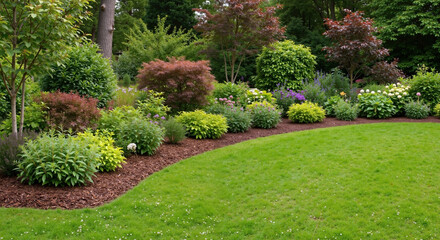
The cottage garden style has captivated gardeners for centuries with its romantic, seemingly effortless beauty. Unlike formal gardens with their rigid structures and precise plantings, cottage gardens embrace a more relaxed aesthetic that celebrates abundance, color, and natural growth patterns.
Creating your own cottage garden means crafting a landscape that feels both intentional and wild, where flowering plants spill over pathways and fragrances drift through the air. This timeless gardening approach offers a perfect blend of practicality and beauty, combining ornamental flowers with herbs and edibles in a harmonious display that feels welcoming and lived-in. Visit https://www.biggreenlawn.com/ for more information.
Understanding the Cottage Garden Philosophy
The essence of cottage gardening lies in its unpretentious approach to landscape design. Historically, these gardens emerged from practical necessity, where homeowners grew vegetables, herbs, and flowers together in limited spaces. The style developed organically over time, with plants self-seeding and naturalizing to create layers of texture and color that changed with the seasons. Modern cottage gardens maintain this spirit of informal abundance while incorporating contemporary plant selections and design principles.
The cottage garden aesthetic values generosity over minimalism. Plants grow in dense groupings, creating a tapestry of overlapping blooms and foliage. There’s an emphasis on vertical interest, with climbers scrambling over structures and tall perennials reaching skyward. The overall effect should feel abundant yet comfortable, as though the garden has been lovingly tended for generations rather than recently installed. This approach to gardening celebrates imperfection and encourages plants to express their natural habits rather than forcing them into unnatural shapes or arrangements.
Choosing the Right Plants for Authentic Character
Plant selection forms the foundation of any successful cottage garden. Traditional choices include old-fashioned perennials that have stood the test of time, often selected for their reliability, fragrance, and generous blooming habits. Roses play a starring role, particularly varieties that offer strong scents and repeat flowering throughout the season. Shrub roses and climbing roses work especially well, providing structure while maintaining the informal character that defines the style.
Perennials should form the backbone of your planting scheme. Consider classics like foxgloves, delphiniums, hollyhocks, and peonies for height and drama. Hardy geraniums, catmint, and lady’s mantle work beautifully as edging plants, softening pathway edges and weaving through other plantings. Cottage gardens traditionally blur the lines between ornamental and edible, so incorporate herbs like lavender, rosemary, and sage both for their practical uses and their attractive foliage and flowers. Self-seeding annuals and biennials, including sweet alyssum, calendula, and forget-me-nots, add spontaneity and fill gaps between larger plants.
The color palette in cottage gardens tends toward soft pastels and rich jewel tones rather than harsh contrasts. Whites, pinks, purples, and blues create a soothing harmony, while splashes of yellow and orange add warmth and energy. However, the beauty of this style lies in its flexibility. Your cottage garden should reflect your personal preferences while maintaining the overall sense of abundance and natural growth that characterizes the approach.
Designing Pathways and Garden Structures
Pathways in cottage gardens serve both practical and aesthetic purposes, guiding visitors through the space while creating opportunities for plants to spill and soften hard edges. Traditional materials like brick, stone, and gravel work particularly well, developing character and patina over time. Avoid overly wide or formal pathways. Instead, create routes that meander gently through planting areas, occasionally narrowing where billowing plants can brush against visitors as they pass.
Garden structures add essential vertical interest and provide support for climbing plants. Rustic wooden arbors, trellises, and pergolas work beautifully in cottage settings, especially when crafted from natural materials that weather gracefully. Paint wooden structures in soft colors that complement your planting scheme, or allow them to age naturally to silvery gray. Picket fences, another cottage garden staple, can define boundaries while maintaining an open, welcoming feel that distinguishes this style from more formal enclosed gardens.
Consider incorporating functional structures that enhance both utility and charm. A small potting shed or tool storage area can become a focal point when covered with climbing roses or clematis. Simple benches tucked into planting areas create restful spots to enjoy the garden’s beauty and fragrance. Even practical elements like rain barrels or compost bins can be integrated tastefully, perhaps screened by flowering shrubs or perennials that maintain visual interest throughout the seasons.
Establishing Layers and Creating Abundance
The hallmark of cottage garden design is its layered planting approach, which creates depth and interest from every viewpoint. Start by establishing a framework of shrubs and small trees that provide structure year-round. These woody plants serve as anchors, preventing the garden from feeling too ephemeral or chaotic. Place taller perennials and biennials behind or among these structural plants, creating a backdrop for shorter species in front.
The middle layer typically features medium-height perennials that bloom at different times, ensuring continuous color and interest. Plant these in generous groupings rather than isolated specimens. Cottage gardens achieve their characteristic abundance through repetition, with favored plants appearing multiple times throughout the space in an informal rhythm. This repetition creates cohesion while maintaining a natural, unforced feeling that distinguishes cottage style from more rigid formal plantings.
Ground-level plants complete the layering effect, filling spaces between larger specimens and softening edges. Encourage self-seeding annuals to naturalize in these areas, creating happy accidents that add to the garden’s spontaneous character. Allow plants to intermingle naturally, with shorter species occasionally pushing forward into pathways and taller ones leaning over their neighbors. This gentle chaos, held together by thoughtful plant selection and color harmony, creates the relaxed yet intentional feel that defines successful cottage gardens.
Maintenance and Seasonal Care
Despite their informal appearance, cottage gardens require regular attention to maintain their beauty without slipping into genuine disorder. The goal is to create a space that appears naturally abundant while preventing aggressive plants from overwhelming more delicate companions. Regular deadheading extends flowering periods and maintains tidy appearances, while selective editing prevents overcrowding. Learn to distinguish between desirable self-seeders and genuine weeds, removing the latter promptly while allowing welcome volunteers to establish themselves.
Seasonal tasks help maintain the garden’s health and appearance throughout the year. Spring brings opportunities for division and transplanting, allowing you to refine plant combinations and fill emerging gaps. Summer requires consistent watering and deadheading, along with staking taller perennials before they flop. Autumn cleanup involves cutting back spent perennials while leaving seedheads that provide winter interest and food for birds. Many cottage gardeners prefer a relaxed approach to fall cleanup, leaving some stems standing to create structure and provide habitat through cold months.
Soil health forms the foundation of any thriving cottage garden. These plant-packed spaces demand fertile, well-draining soil rich in organic matter. Regular additions of compost improve soil structure and provide sustained nutrition for heavy-feeding perennials and roses. Mulching helps retain moisture, suppress weeds, and contribute organic matter as it breaks down over time.
Final Thoughts
Creating a cottage garden offers an opportunity to craft a landscape that feels both timeless and personal, where plants grow with exuberant abandon within a framework of thoughtful design. This approach to gardening rewards patience, as the best cottage gardens develop character over multiple seasons, with plants naturalizing and finding their ideal positions through trial and adjustment.
The style’s flexibility allows for endless variation, ensuring that no two cottage gardens look exactly alike while all share the essential qualities of abundance, charm, and comfortable beauty. Whether you’re transforming a small urban plot or designing extensive garden rooms, the cottage garden philosophy offers a refreshing alternative to more formal landscaping approaches, creating spaces that feel alive, welcoming, and deeply connected to the rhythms of nature.